Explore Our Research and Activities
Discover the research, programs and hands-on activities happening across the VCU School of Life Sciences and Sustainability. Explore each station to learn about oyster restoration, wildlife conservation, climate change research, interactive biology demonstrations, sustainability initiatives and opportunities for students.
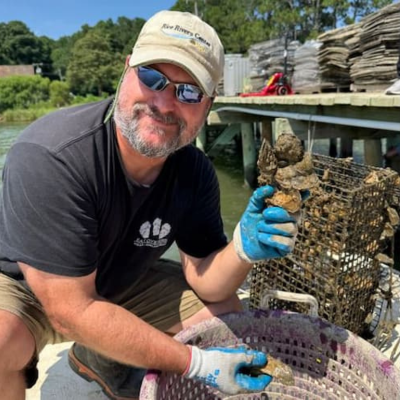
Don't chuck that shuck!
The Virginia Oyster Shell Recycling Program (VOSRP) is a nonprofit collaborative effort whose focus is the restoration of oyster populations in the Chesapeake Bay. The program takes shells destined for the trash and returns them to restoration areas in the Piankatank River. The VOSRP collects from restaurants and public drop-off locations in Richmond, Charlottesville, the Middle Peninsula and Northern Neck of Virginia, and other areas around the state. The shells are aged in local storage facilities and the VCU Rice Rivers Center for at least a year and then placed in seeding tanks on Gwynn’s Island. The spat (baby oysters) attach themselves to the shells, which are then returned to the bay and its tributaries. Our work is accomplished through the efforts of dozens of volunteers from the public.
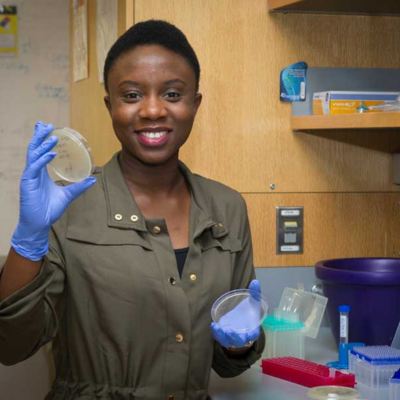
Internships and Career Connections
SLSS is here to establish connections with employers to provide a pathway for our students to explore their career interests through internships. Our internship coordinator, Dr. Hope, welcomes the opportunity to connect with you to discuss life sciences and sustainability internships. cbraxton2@vcu.edu
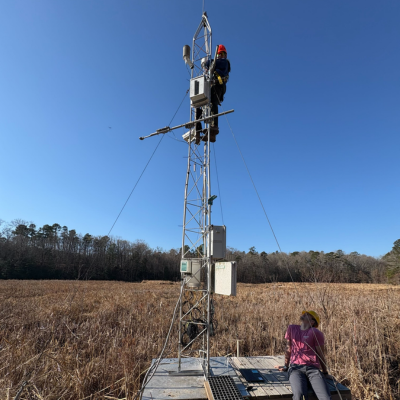
Are you a Methane Emitter?
The Gough lab studies how ecosystems respond to and are impacted by climate change caused by greenhouse gases, including methane. About 30-50% of the healthy adult population worldwide breathes out methane. Swing by to learn whether your breath contains methane and learn how our research informs management, policy, and land-use decision-making through partnerships with NASA, the Nature Conservancy, and the EPA.
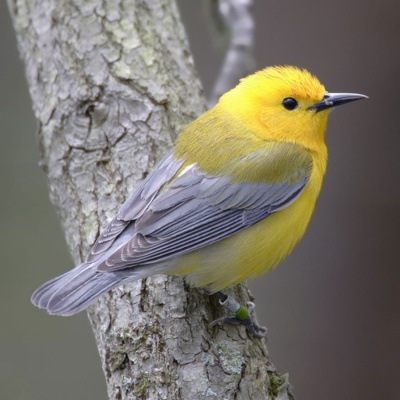
Migratory Bird Research
Migratory birds travel each year between breeding sites in Virginia to overwinter in places as far south as Central and South America. Conservation of habitats critical to migratory birds–and the ecological benefits they provide–is often important to the environmental, economic, and cultural wellbeing of nearby communities across their migratory range. Find out more about the research being conducted on migratory birds by faculty and students at the VCU Rice Rivers Center and the School of Life Sciences and Sustainability. Featured student projects: American Kestrels, Golden-winged Warblers, and Prothonotary Warblers.

Interactive Materials used in Biology
Explore interactive learning materials used in Biology 151 to help students understand dense and complex biological concepts. Discover how hands-on models illustrate the translation of mRNA into proteins and key cellular processes, including the Calvin cycle and Krebs cycle.

ENVS Undergraduate Program
The ENVS undergraduate program at VCU provides students with competencies in life sciences, social sciences, physical sciences, & research skills as well as the training needed to synthesize these approaches in order to solve contemporary environmental challenges. The senior academic advisor for the ENVS undergraduate program, Dr. Clay is looking forward to chatting about the strengths of the program, how it is structured, and what kinds of professional settings alumni have gone on to after graduation.

Sustainability collaboration efforts at VCU
VCU Sustainability and the RRC have been working closely together over the past few years. Come learn about some of the products of our collaboration. This year alone we launched a new mini-farm near the Research Building, replacing lawn space with a productive food garden, with donations going to the VCU Ram Pantry. Learn more about the 2025 Campus Tree Inventory and our meadowing research.
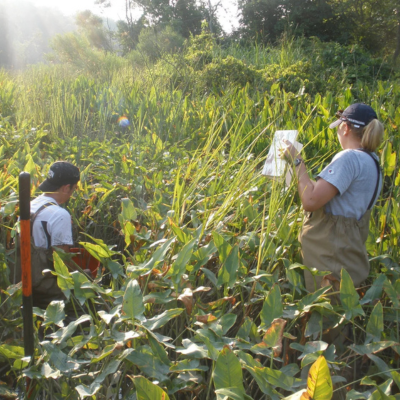
Microbial Ecology
The Franklin Lab studies how microbial communities shape ecosystems and influence essential biogeochemical cycles. Through laboratory experiments and field research, the lab investigates how environmental changes, including sea-level rise, affect microbial communities and the ecological processes they support. Current research explores tidal freshwater wetlands, wetland biogeochemistry, submerged caves and public health microbiology in the James River.
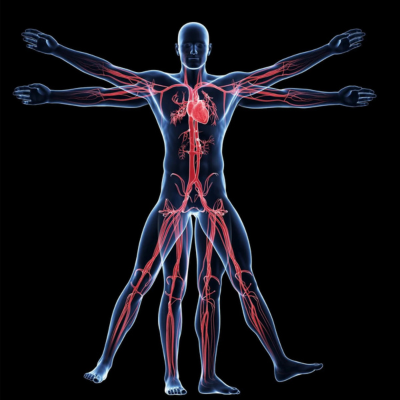
Discover Human Anatomy
Ever wondered what lies beneath the surface of the human body? Explore the fascinating world of human anatomy through anatomical models used in college-level biology courses. Get an up-close look at bones, muscles, organs, and other structures of the human body. Think you know your anatomy? Guess the name of the body part and win some fun stickers! Stop by, test your knowledge, and discover just how amazing the human body is!
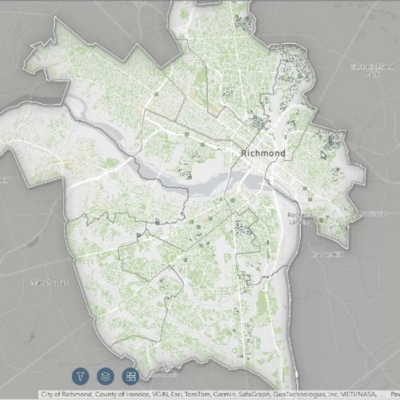
Richmond urban Land Evaluation and Site Assessment project
Do you love urban agriculture and community gardens? The uLESA team (Jones Lab) at VCU conducts community-engaged geospatial research to map land suitability for urban farming. Explore an interactive map of Richmond to see how suitable areas of interest near you might be and learn more about how GIS and geospatial data can enrich our food systems and support urban land management goals

Pier and Boathouse
Built over the tidal James River, the boat house hosts VCU’s fleet of research vessels and serves as a platform for NASA and EPA research instruments that generate real-time data on tidal dynamics, air and water quality, and meteorological conditions. The pier offers spectacular views of a culturally and historically rich section of the James River where the Weyanoke tribe fished and Lincoln met his generals during the final stages of the Civil War.
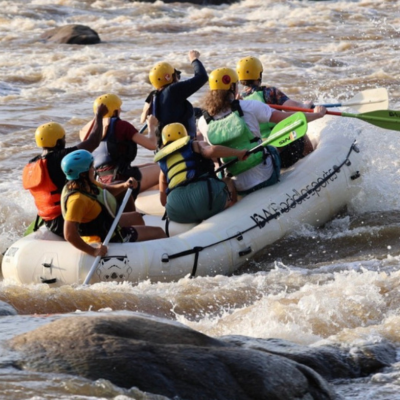
Experiential River Studies
The Experiential River Fund at Virginia Commonwealth University supports transformative, hands-on field education by ensuring equitable access to our nationally recognized river studies programming. By offsetting out-of-pocket expenses, the fund provides critical financial assistance—particularly for students with financial need—to participate in immersive, research-embedded field courses developed in collaboration with the VCU Outdoor Adventure Program. These include our flagship five-week "Footprints on the James" expedition, as well as diverse national and international courses ranging from the Buffalo and Rio Grande rivers to the upcoming Spring expedition on the Suwannee. Additionally, the fund supports students pursuing the River Management Society’s River Studies and Leadership Certificate by subsidizing required professional experiences and travel to present at national meetings, ensuring that financial barriers do not prevent students from accessing these high-impact leadership and natural history and skill-building opportunities.
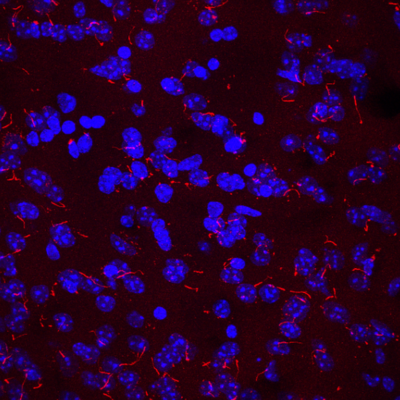
Opioid Receptor Biology
How do opioid receptors help control pain, reward, and behavior? Visit the Ehrlich Lab to explore the fascinating biology of opioid receptors and learn how their location within neurons can dramatically influence how brain cells communicate. Through hands-on activities, you'll identify different parts of a neuron and discover why "location matters" when it comes to receptor function. Stop by to meet our team, ask questions, and learn how basic neuroscience research can advance our understanding of health and disease. national meetings, ensuring that financial barriers do not prevent students from accessing these high-impact leadership and natural history and skill-building opportunities.
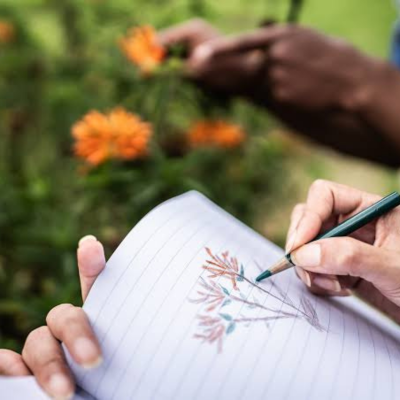
Nature Journaling
The visual arts are essential to scientific inquiry, exploration, and imagination. Through deep observation we come to understand organisms and systems more deeply and ask more probing questions. Creative thinking strategies and engagement with material explorations allow us to imagine possibilities and make inferences.
Join us today to observe fall colors and textures and try various watercolor techniques as tools for seeing and recording your observations of colorful fall leaves!
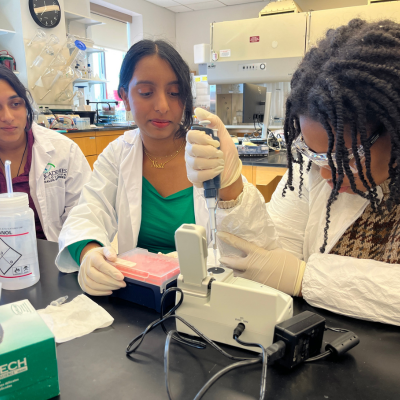
CURE for Micro Lab
Microbiology Lab (BIOZ303) at VCU involves students in research concerning the prevalence of antibiotic resistant bacteria in soils on campus. Students characterize soil isolates using microscopy and culture techniques and compare results with DNA sequencing results. Stop by to view microbes under microscopes!
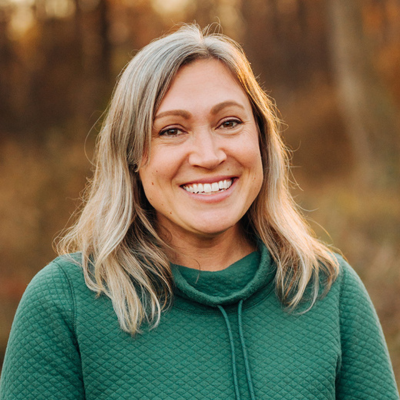
To ask a question or explore impact opportunities, contact Rainey Niklawski (Niklawskir@vcu.edu, 804-514-1593)